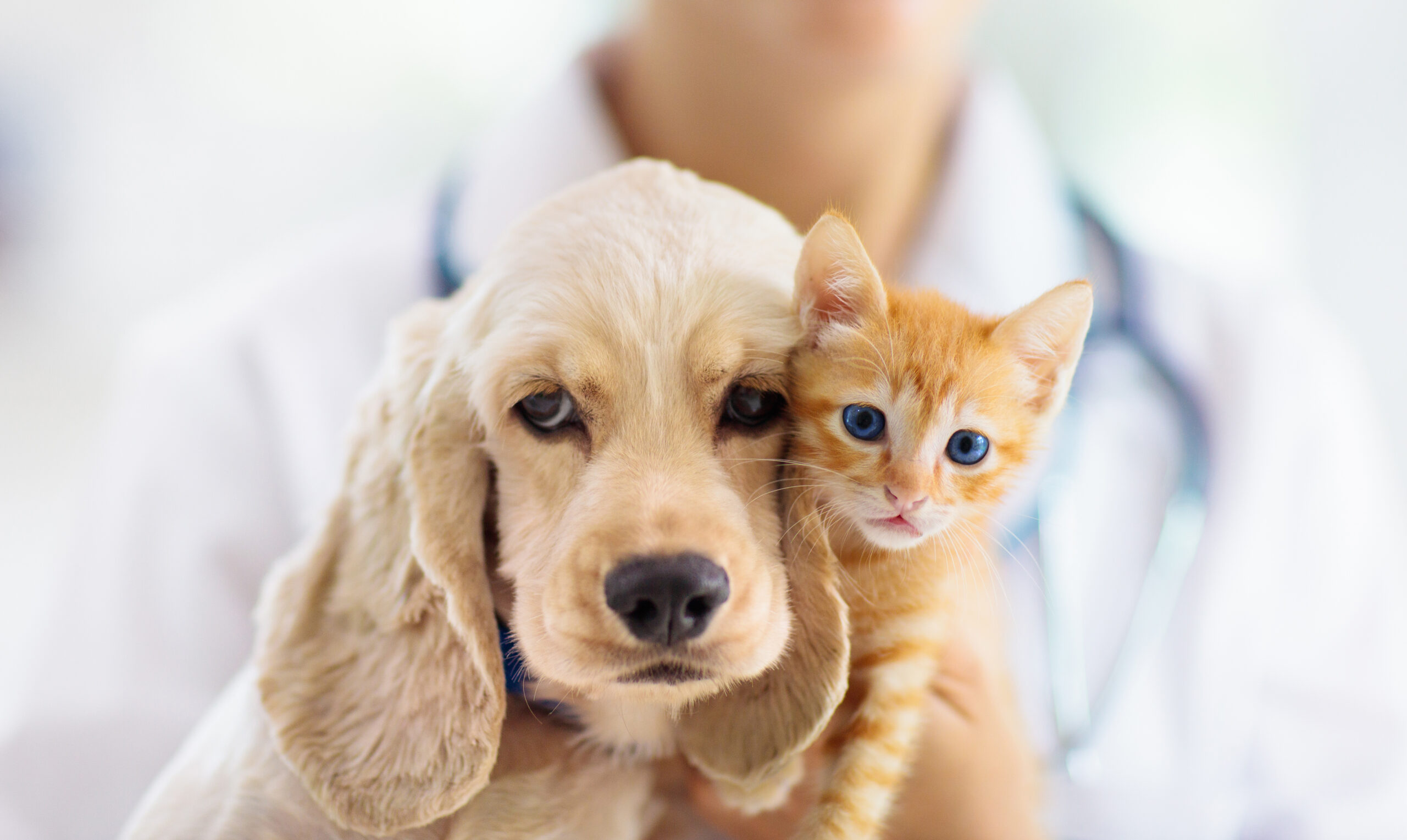
Bringing home a new puppy or kitten is an exciting event, and scheduling their first veterinary visit is one of the most important steps you can take to help set them up for a healthy future. Just like humans need regular checkups with their doctors, pets benefit from routine veterinary care throughout their lives as well.
So, what makes this first visit so important? It establishes the foundation of the veterinary-client-patient relationship (VCPR) and creates an opportunity for you and your veterinarian to work together as a team. This initial appointment is the perfect time to ask questions, ensure your new pet receives the appropriate vaccines based on their age and lifestyle, and discuss essential areas of care. Topics such as nutrition, exposure to other animals, training, spaying or neutering, dental health, parasite prevention, and long-term wellness planning are all important conversations that may be covered during this and subsequent visits.
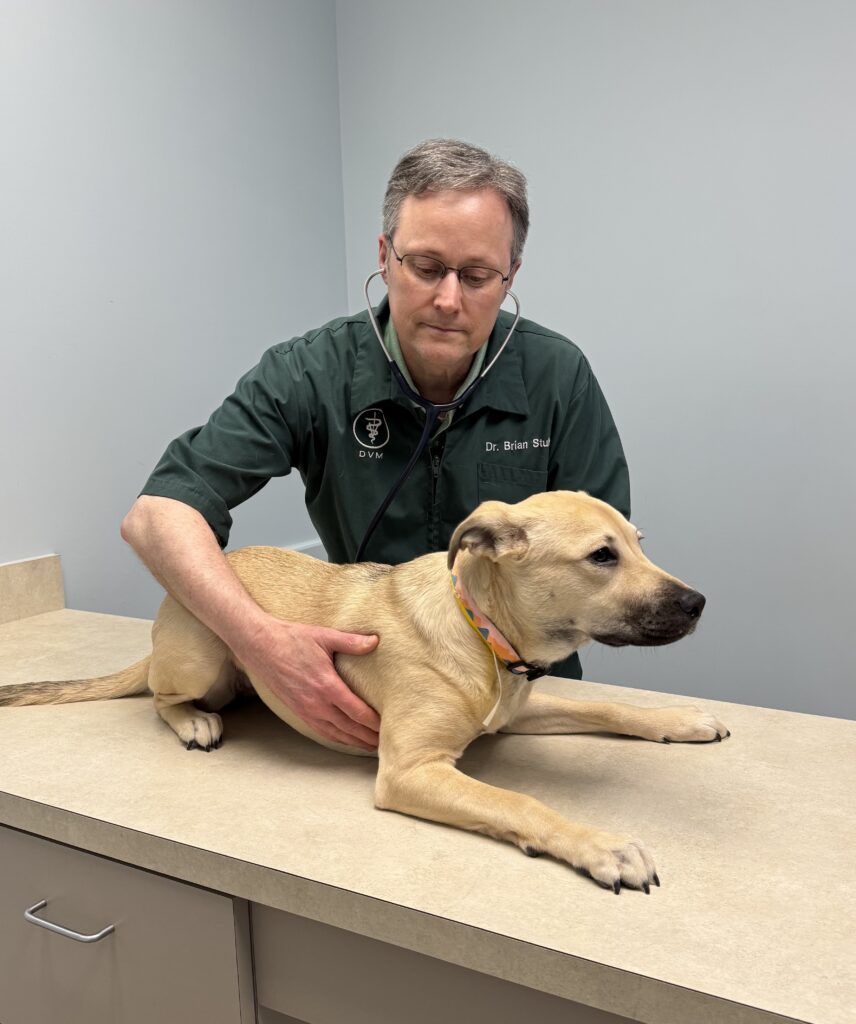 Dr. Brian Stuber, a veterinarian at Berkley Veterinary Clinic in Goldsboro says it’s helpful to come in prepared so the appointment is less stressful and more efficient.
“Any info you have on your new pet is helpful such as date of birth, vaccination history, deworming history, name of the food currently feeding (take a picture of it with their phone) and, if you can, bring a stool sample with you,” said Dr. Stuber. “This will help make the appointment more enjoyable, thorough and efficient.”
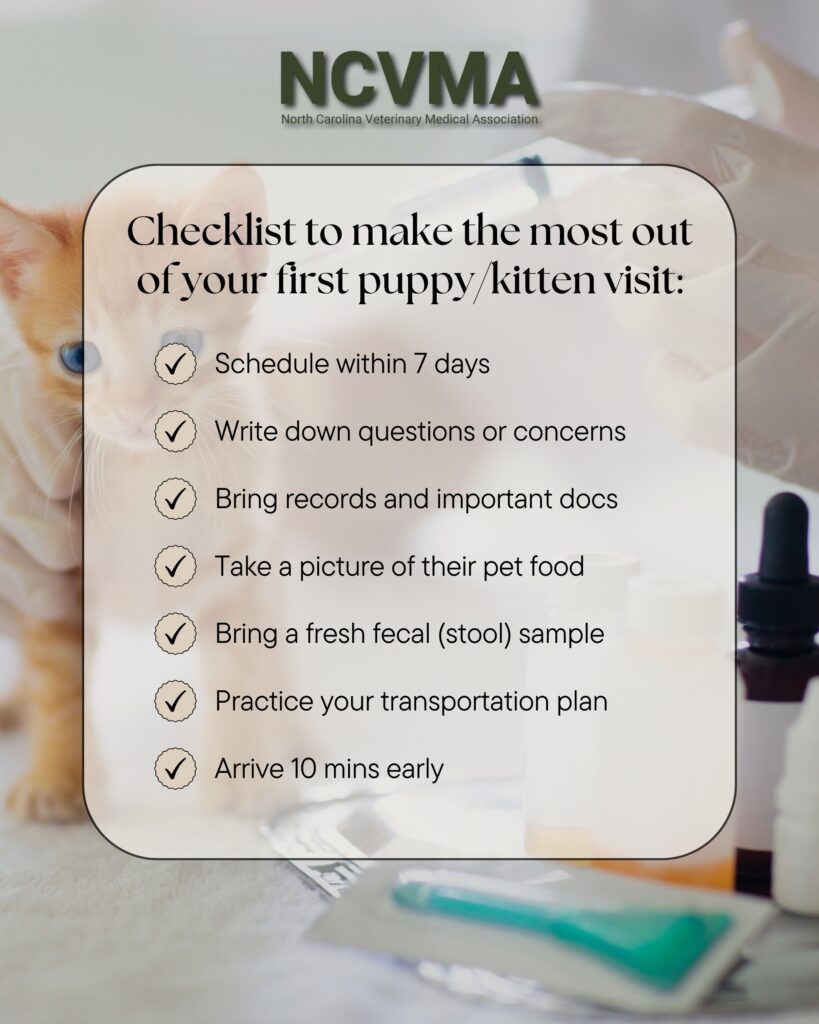
How can you make the most out of this visit? A checklist:
Schedule your first visit within 7 days of your new pet coming home
Scheduling an early veterinary visit helps ensure your pet stays on track with important preventive care, including vaccinations, deworming, and parasite prevention. This first appointment allows your veterinarian to establish a baseline for your pet’s health, identify any early concerns, and create a personalized wellness plan.
Puppies and kittens typically need a series of vaccines every 2–4 weeks until they are around 16 weeks old to help ensure they are fully protected. Some vaccines cannot be given until a pet reaches a certain age. (And note that state law requires every dog, cat and ferret to be vaccinated by 4 months of age.) Scheduling your appointment early helps ensure your pet receives the appropriate vaccines at the right time.
This visit also establishes your veterinary-client-patient relationship. A VCPR is the professional relationship between you, your animal(s), and your veterinarian. It exists when your veterinarian knows your animal well enough—through a recent physical examination or regular visits—to make informed decisions about the animal’s health. This relationship is the foundation of safe, effective veterinary care. It must be in place before your veterinarian can diagnose a condition, prescribe medication, or treat your animal. In North Carolina, the VCPR must be established in person first to allow for phone consultations or telemedicine visits. Need a veterinarian? Visit www.ncvma.org/find-a-vet to find a veterinary professional near you.Write down your questions and concerns ahead of time.
It can be easy to forget questions during a busy appointment, so keep a running list on paper or in your phone before your visit. Consider questions about nutrition, behavior, training, vaccines, parasite prevention, grooming, dental care, or anything else you are curious about. Jot down anything about your pet’s behavior, appetite, energy level, bathroom habits, and any concerns you may have noticed. Even small details can provide valuable information and help your veterinarian better understand your pet. Your veterinarian is there to help guide you through every stage of your pet’s life, and no question is too small.
Bring any important records or information you have about your pet.
Bring any paperwork or medical information available, including adoption or breeder records, date of birth, vaccination history, deworming history, previous medical records, and information about any medications or supplements your pet is currently receiving. Having these details available helps your veterinarian better understand your pet’s history, avoid unnecessary delays, and create an appropriate plan for future care.
Bring information about your pet’s current diet.
Take a photo of the food label or bring the name of the food, treats, and any supplements your pet is currently receiving. Your veterinarian can help ensure your puppy or kitten is eating a complete and balanced diet appropriate for their life stage, size, and health needs. This is also a great time to discuss feeding schedules, portion sizes, treats, and how to transition foods safely if a change is recommended.
Bring a fresh fecal (stool) sample.
A fecal sample allows your veterinarian to check for intestinal parasites and other concerns that may not be visible. Puppies and kittens are especially susceptible to certain parasites, making this screening an important part of their early care. For the most accurate results, bring a sample collected the same day as your appointment whenever possible. If you collect it more than an hour before your visit, place it in a sealed container or bag and store it in the refrigerator until you leave for your appointment. Ideally, the sample should be collected within 24 hours of your visit.
Have a safe transportation plan and practice it before the visit.
Helping your pet feel comfortable with travel can make future veterinary visits much easier. Make sure your puppy is familiar with wearing a collar and leash, and help your kitten become comfortable with their carrier before the appointment. For kittens, consider leaving the carrier out at home with a soft blanket or treats inside so it becomes a familiar and positive space rather than something they only see before a trip to the veterinarian. Many veterinary practices also recommend practicing short car rides before the first appointment to help reduce stress.
Arrive about 10 minutes early.
Arriving a few minutes early gives you time to complete paperwork, check in, and ask any last-minute questions without feeling rushed. A calm arrival can also help your new pet have a more positive first experience at the veterinary clinic because they aren’t feeding off your anxiety.
Want to continue learning how to give your new pet the best start in life? Follow us on Instagram @NCVMA for helpful tips, resources, and updates for pet parents. Be sure to check back next month as we dive deeper into vaccines, deworming protocols, and the important role preventive care plays in keeping your puppy or kitten healthy and protected.