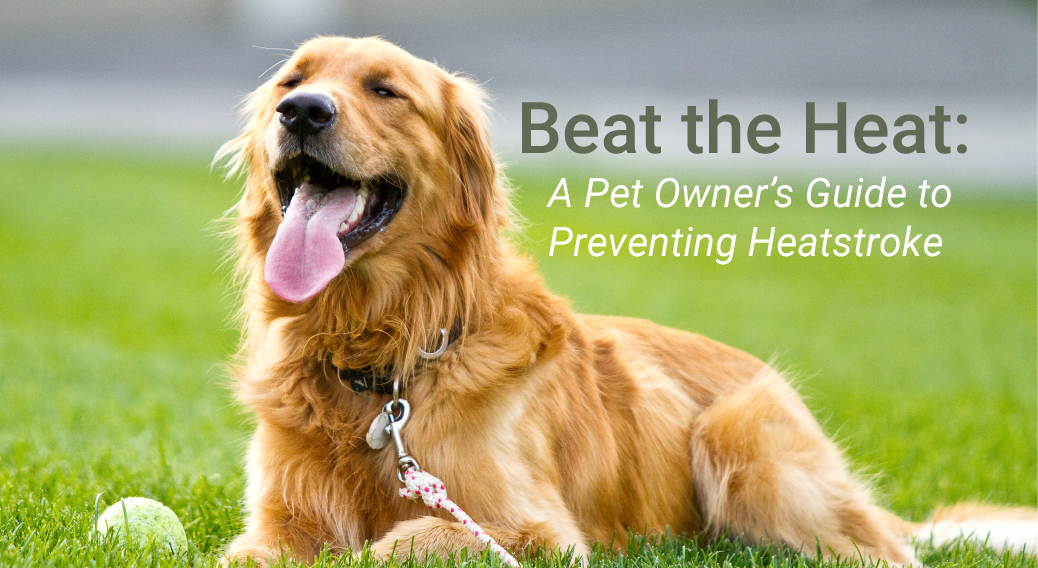
Why your Frenchie or Golden Retriever are at higher risk for heatstroke
by Lisa Olsen DVM, DACVECC
Critical Care Specialist (Greensboro, NC)
As the weather warms up, we all love extra time outdoors with our furry friends. But for dogs and cats, the heat is more than just uncomfortable—it can be deadly.
Unlike humans, pets can’t sweat. While we cool down through our skin, pets rely almost entirely on panting to release heat. When the humidity is high or there isn’t any shade, their internal cooling systems can fail in minutes. Once a pet’s temperature climbs above 105°F, they enter the danger zone for permanent organ damage or worse − death. Knowing your pet’s risks and how to prevent heatstroke is key!

What breeds are most at risk?
Certain animals are at particularly increased risk of developing heatstroke. These include overweight or obese animals, and those with flat-nosed facial conformation (brachycephalic), such as pugs and bulldogs or Persian cats, who lack the ability to pant effectively. Breeds with double coats such as golden retrievers, Alaskan malamutes or Siberian huskies are also at risk because of their fur’s insulating capabilities.
The very young (puppies and kittens), and very old (senior) pets are more vulnerable than healthy adults, often the result of either underdeveloped responses to heat, or other concurrent health conditions (heart disease, lung or airway problems, or kidney disease). Even in healthy adults, certain commonly prescribed medications could contribute to a higher risk of developing serious consequences.
Acclimation is key to prevention pet heatstroke
To prevent this potentially life-threatening condition, early acclimatization is essential. Pets’ ability to withstand heat and compensate for the dangerous effects of excessive temperatures, can take up to 60 days to fully develop.

Refrain from allowing your pet to spend prolonged periods of time exerting themselves in hot weather, instead providing slow and gradual opportunities for activity in early morning or evening hours when it’s cooler.
Always pack water on walks and take plenty of breaks.
Ensure they always have access to shade and fresh water and never leave your pets in parked cars where temperatures can rise dangerously fast, even with windows left open.
For thick or double coated dogs, ensure your pet is appropriately groomed for the season.
Pets’ ability to withstand heat, and compensate for the dangerous effects of excessive temperatures, can take up to 60 days to fully develop.
Recognizing the clinical signs
Early heat exhaustion symptoms that could suggest rising body temperatures include:
 heavy panting or rapid breathing,
- excessive drooling/foaming from the mouth,
- restlessness,
- muscle spasms,
- bright red gums and
- high heart rates.
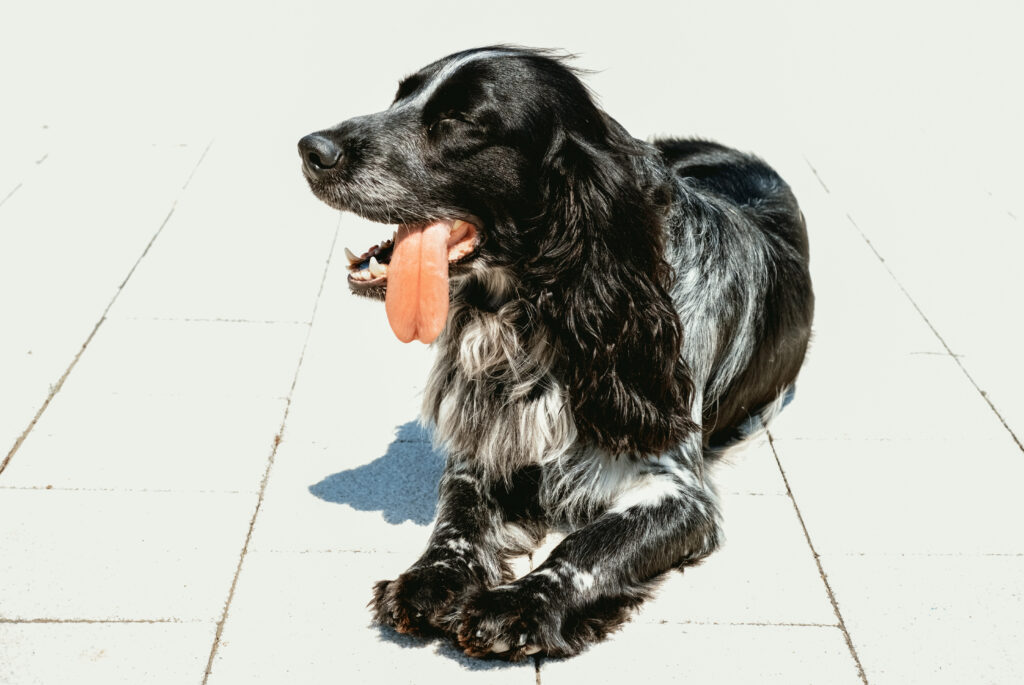 heavy panting or
 If you recognize these symptoms, it’s time to take action. Without intervention, heat exhaustion may progress to heat stroke, which can affect every system in the body. This includes the brain, heart, kidneys, and more.
As it worsens into heat stroke, you may see:
- Weakness or collapse
- Vomiting or diarrhea (possibly with blood)
- Confusion or disorientation
- Seizures
What to do when your pet is showing signs of heat exhaustion
- Move to climate control: If you suspect your pet may be experiencing early symptoms of heat exhaustion, move them to a cool, well-ventilated, climate-controlled space away from heat sources.
- Refrain from cooling them too abruptly: Use cool (not cold) water on the body, heads, and paws. Avoid using ice, which can increase the risk of shock.
- Hydrate carefully: Offer frequent amounts of small water, avoiding overconsumption which could result in a reflex regurgitation or vomiting; encourage, but do not force, them to drink.
While providing care at home, contact your family veterinarian or nearest emergency or urgent-care facility, to discuss your concerns and your pet’s condition. Be prepared to seek care promptly (without delay), as delays could dramatically increase the risk of organ failure and death.
Do not wait. Even if your pet seems to improve, internal damage may still be occurring.
What to do if your pet is showing signs of heatstroke
If your pet shows moderate to severe symptoms, go to a veterinary clinic right away. Heatstroke is a true medical emergency. (Pro tip: Save the contact information for your nearest emergency veterinary hospital in your phone so you can reach them quickly if an emergency arises.)
Once at the hospital, your veterinarian may provide oxygen, intravenous fluids, active cooling, electrolyte and glucose supplementation, blood products (blood or plasma transfusion), and medications appropriate for your pet’s needs (antibiotics, pain relievers, anti-seizure medications).
The outcome depends on how high your pet’s temperature gets and how quickly treatment begins.
Early recognition + fast action = the best chance of survival.
Share to save a life and prevent pet heatstroke
A little awareness goes a long way! Share this with fellow pet parents to help keep pets safe over this summer season! Chat with your vet if you have any questions or concerns.