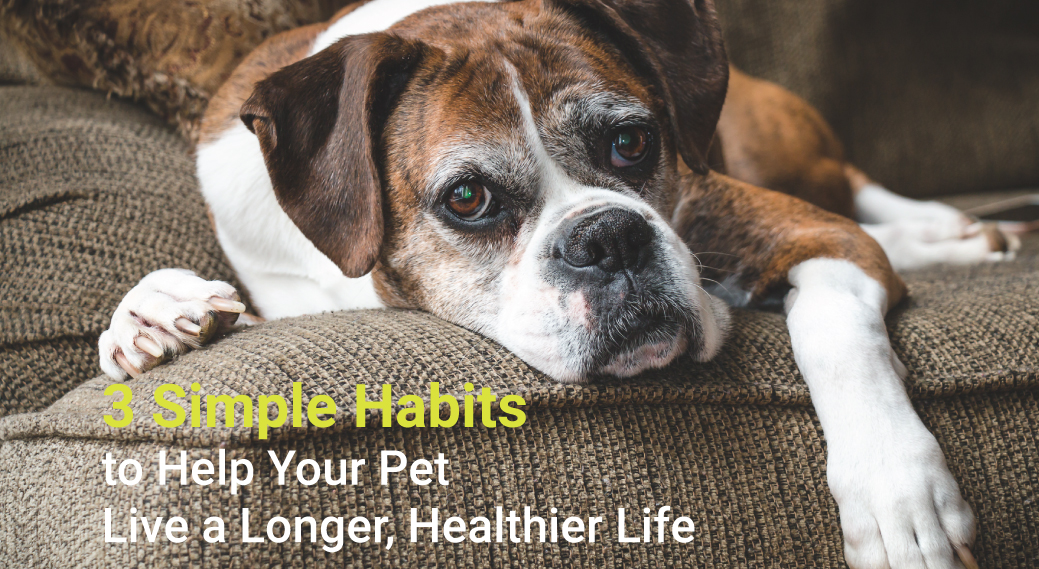
Easy ways to support healthy aging in pets
Senior pets don’t become seniors overnight. Just like us, the way they age is shaped by the care they receive early on. While some aspects of aging are out of our control, there is a lot you can influence at home. The habits you build in your pet’s early years can have a lasting impact on their mobility, organ health, dental health, and overall longevity. While it can be hard to see the impact now, we promise these three habits will make life a lot easier for your pet in the years to come.
We connected with NCVMA member veterinarian, Dr. Jeff Munn of Poplar Animal Hospital in Concord, to share his best advice to help support healthy aging in your pets and help them transition smoothly from a healthy young adult to a thriving senior. With more than three decades in the exam room, he has seen firsthand how these simple tips make a positive impact on your pet’s health.
Tip #1: Prioritize a healthy weight early
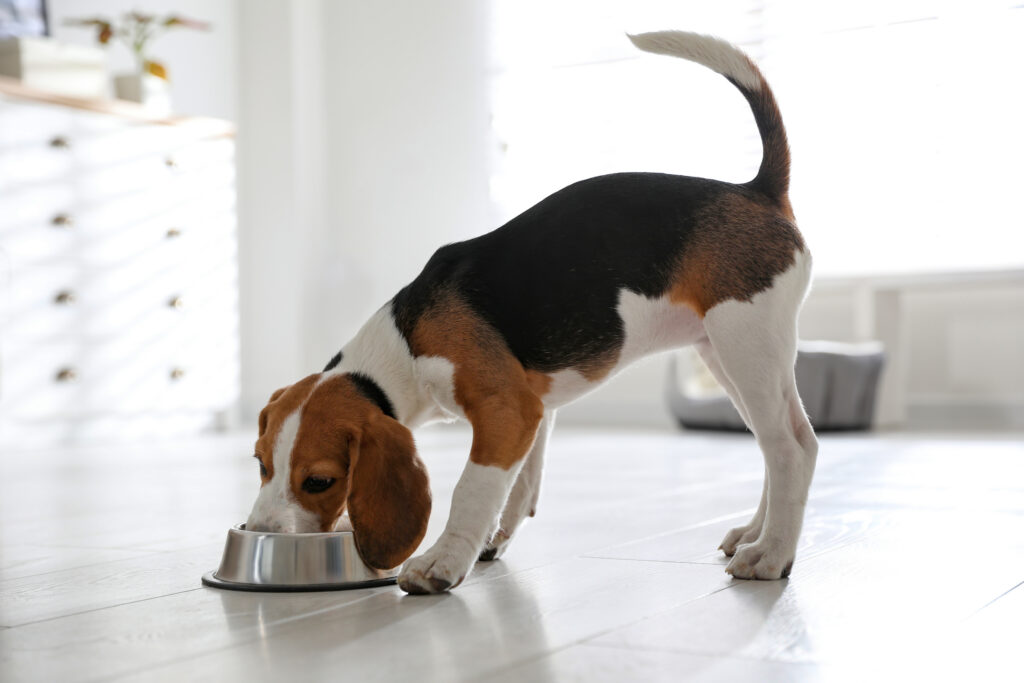 One of the most impressive studies on canine longevity comes from Purina’s landmark 14-year Life Span Study. Researchers followed 48 Labrador Retrievers from puppyhood and found that dogs maintained in a lean body condition lived an average of 1.8 years longer, about 15% more of their expected lifespan, compared to their littermates who were allowed to carry extra weight. The lean group wasn’t underweight. They simply stayed at an ideal body condition score (around 4–5 out of 9) over their life. These dogs also experienced delayed onset of chronic diseases, less severe osteoarthritis, and better overall health as they aged.
What this means for you:
- Learn to assess and monitor your pet’s Body Condition Score (BCS)
- Avoid free-feeding and measure meals carefully
- Adjust portions as your pet’s metabolism slows with age
“A lean pet isn’t just healthier,” said Dr. Munn. “Your pet is more comfortable, more mobile, and often happier in their senior years.”
Tip #2: Commit to daily exercise
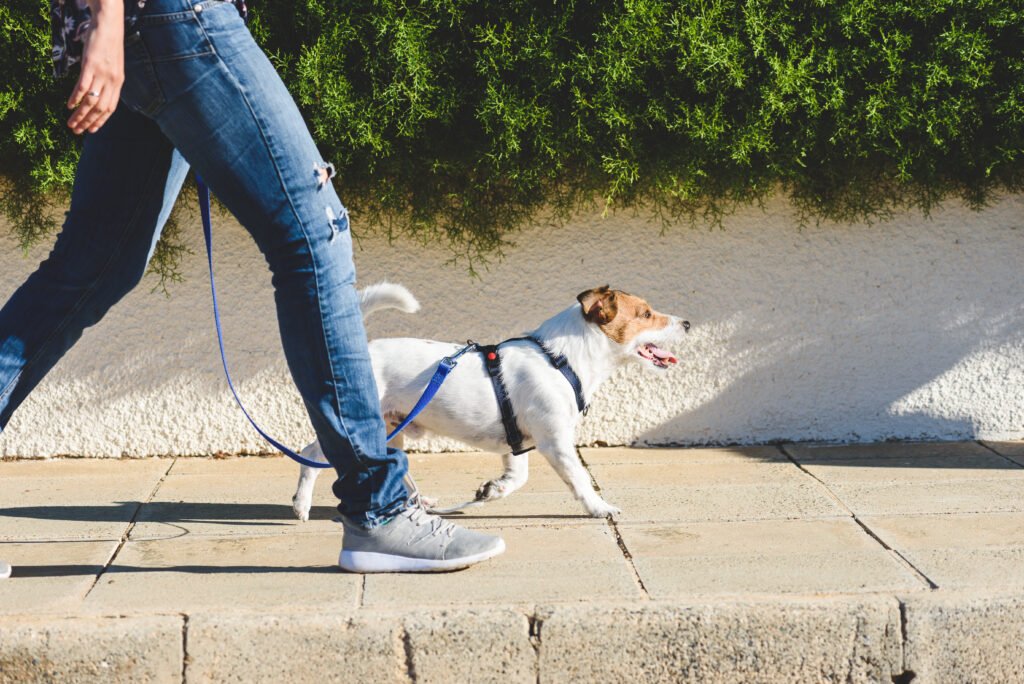
“Regular movement is one of the best gifts you can give your dog (and yourself),” said Dr. Munn. “I recommend getting outside for at least 30 minutes of walking every day. Breaking exercise into two or three shorter walks can be just as beneficial as one longer outing as the weather warms up. This simple habit helps maintain a healthy weight, supports joint health, keeps the cardiovascular system strong, and provides mental stimulation that reduces anxiety and boredom-related behaviors.”
For senior pets, it also helps preserve muscle mass and mobility. As your dog slows down, shorter, more frequent gentle walks are beneficial. And don’t forget, the person holding the leash gets the same physical and mental health benefits. It’s another win-win activities that strengthens the human-animal bond.
Tips to make daily exercise easier (and safer):
- In warmer weather, avoid the hottest times of day by opting for early morning or late evening walks
- Check pavement with your hand; if it’s too hot for you, it’s too hot for their paws
- Use a comfortable, well-fitted harness to reduce strain on the neck
- Bring water for both of you on longer walks
- Mix it up with new routes or environments to keep things interesting
- Swimming can be a great low-impact summer activity (just supervise and rinse off after)
- Short on time? Playing fetch in your backyard is an easy way to burn energy quickly
- Don’t forget indoor options for bad weather days (tug toys, puzzle feeders, sniff mats)
Just 30 minutes of daily walking can strengthen your dog’s body, calm their mind, and deepen the bond you share.
Tip #3: Don’t miss your regular wellness visits
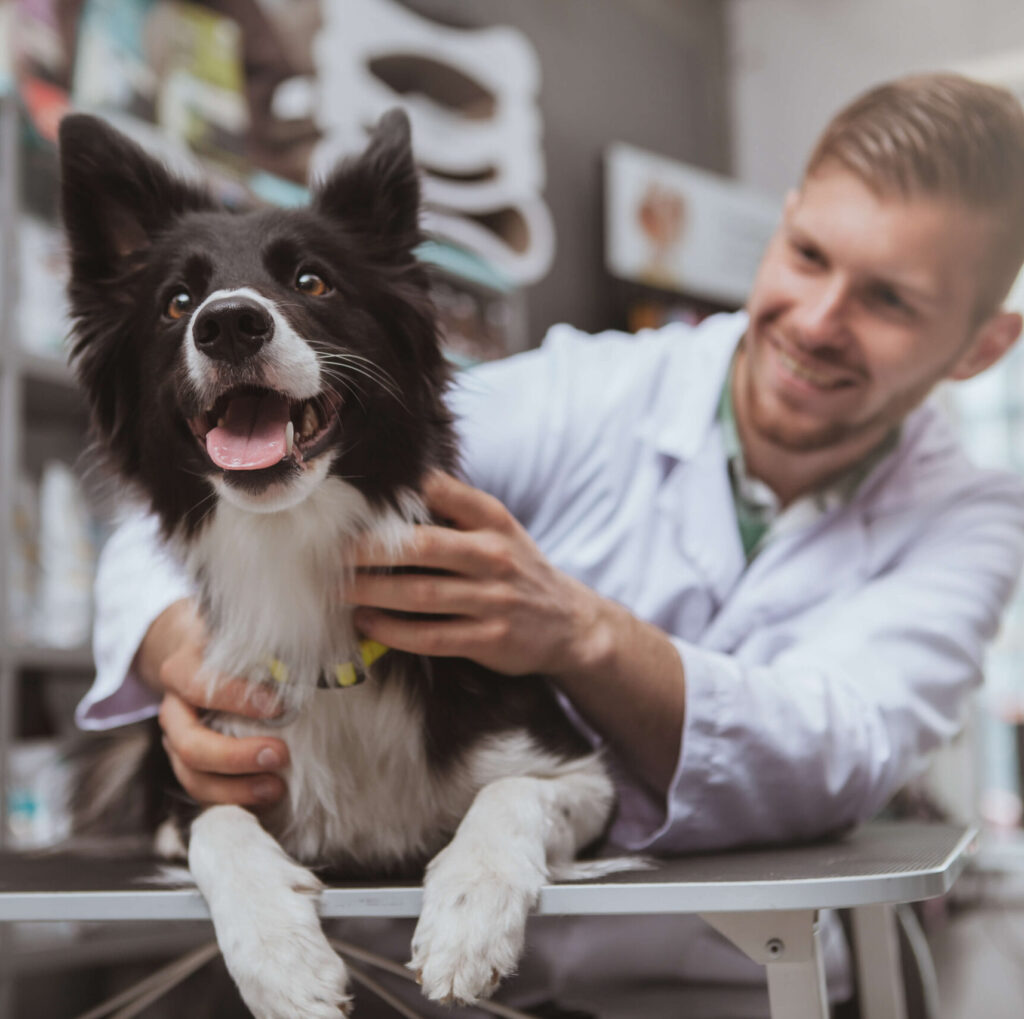 Early detection is one of the biggest game-changers in senior pet care. I strongly recommend regular wellness visits that include a thorough physical examination and bloodwork at least once per year.
Many age-related conditions, such as kidney disease, liver changes, thyroid issues, heart disease, and even early cancer, can be caught through wellness lab work before they cause noticeable symptoms. The earlier we identify a problem, the more treatment options we have and the better we can maintain your pet’s quality of life. For senior pets (generally considered those in the last 25% of their expected lifespan), many veterinarians now suggest twice-yearly wellness exams to stay ahead of changes.
Looking Ahead: Exciting Advances in Pet Longevity
While these three vet-approved tips will always deliver the biggest impact, there are promising developments on the horizon. One example is an injectable therapy (currently in advanced development by Loyal) designed specifically for large and giant-breed dogs. It targets pathways linked to faster aging in bigger breeds and has shown potential to extend healthy lifespan. The company anticipates availability around 2026, pending final FDA milestones.
Other research into metabolic and anti-aging therapies continues to evolve, giving us hope for even more tools to support our patients in the future. That said, no injection or medication will ever replace the proven benefits of keeping your pet lean, active, and well-monitored.
Final Thoughts from the Exam Room
“With over three decades in the exam room, I’ve seen time and again that owners who focus on these three fundamentals (maintaining a lean body condition, daily exercise, and regular wellness visits) give animals the best chance at a long, comfortable life,” said Dr. Munn. “Your pet doesn’t need fancy supplements or extreme measures. They need your attention to the basics, delivered with love and consistency.”
If you have questions about your pet’s weight, exercise routine, or senior wellness plan, talk to your family veterinarian. Need a vet? Visit www.ncvma.org/find-a-vet. We’re here to help tailor these recommendations to your individual dog or cat. Here’s to more years of wagging tails, purring laps, and cherished memories with the pets we love.
Dr. Jeff Munn is a 1997 graduate of North Carolina State College of Veterinary Medicine and active member of the NCVMA. He and classmate Dr. Mauricio Amat opened Poplar Animal Hospital in Concord, NC.
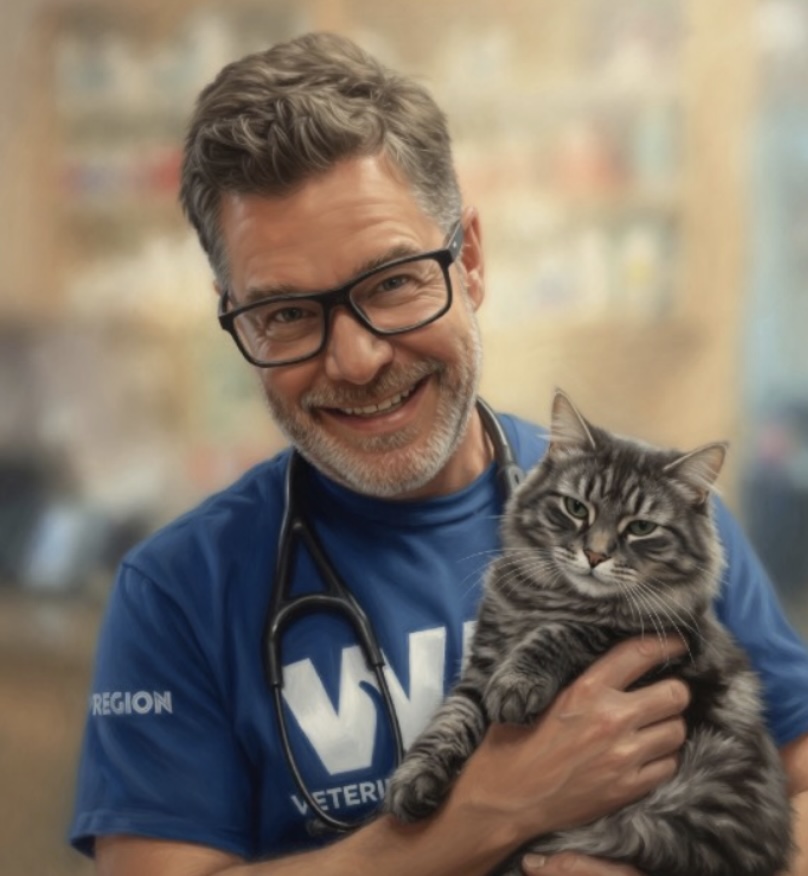
Outside of Veterinary Medicine, Dr. Munn spends time with his wife, Kathy and young adult “kids” Austin and Lauren. Their household is run by 2 cats – “Stormy” (pictured) and “Zorro.” He enjoys being part of Goldmine Toastmasters, reading classic novels and playing golf. Favorite teams: Clemson Tigers, Florida Gators, and NC State Wolfpack!